Essential Cinema: The Films of David Lynch
By Rob Christopher in Arts & Entertainment on Jun 29, 2007 6:00PM
Some fairy godmother at the Siskel must be granting wishes lately. Not only did they bring Helvetica to town and decide to mount an Antonioni series (including the radically awesome, hard-to-see Zabriskie Point) but now we've learned that next week they're launching "Lost Highways & Wild Hearts: The Films of David Lynch." Wild at heart and weird on top; or, as Gordon Cole might exclaim, "This is like some sort of miracle. A ...a phenomenon."
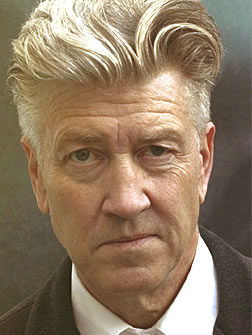 Few contemporary filmmakers are as challenging, as hard to predict, or as deeply strange as David Lynch. There is no such thing as a dull Lynch movie; even the mess that is Dune couldn't be described that way. In his work there is beauty, terror, humor, and enlightenment. Have you ever just gone to see a movie that you knew nothing about beforehand? Lynch is a filmmaker that we trust in that way.
The Siskel's retrospective regrettably omits the early short films as well as his stunning debut Eraserhead. But Lynch himself restored these pieces recently for DVD (joking that Eraserhead is now "the cleanest film in the world") so that will have to do. Instead we begin with The Elephant Man. Executive producer Mel Brooks hand-picked Lynch to helm this dark, genuinely touching story about a Victorian-era circus freak who finds compassion for the first time in his life. The movie possesses some of the most jaw-droppingly gorgeous black & white cinematography in the history of film (courtesy of Freddie Francis), which should be stunning on the Siskel's big screen. And if you aren't in tears by the last reel, check your pulse.
Naturally this triumph was followed by a disaster: Dune. In one of the great cinema what-ifs, we wonder how things might have turned out if Lynch had said yes to George Lucas instead. Sigh. But then (and this is what we mean when we talk about Lynch's unpredictability) he came back with what has been called "one of the seminal films of the 80's": Blue Velvet. Even after a dozen viewings it's fascinating, often frightening and then hilarious from moment to moment. But it's a template that Lynch has only continued to stretch with works like last year's INLAND EMPIRE and (our favorite Lynch movie) Lost Highway.
We don't have enough room here to blather on about all of Lynch's movies (not to mention "Twin Peaks") but trust us when we tell you that seeing them on a big screen in a darkened theater is one of the keenest pleasures you can imagine. Whether you already know them by heart or have never seen them (how we envy you), make a beeline over to the Siskel starting July 7 through August 1.
portrait via David Lynch Foundation