Gardenist: More Than Just Tomatoes
By Chuck Sudo in Food on Jul 26, 2007 6:00PM
A couple years back we had a Chicagoist alum who chronicled his attempts to grow his own tomatoes from seeds. If you click those links, you'll notice that he wasn't very successful. Now, we have something of a green thumb. Our apartment is full of various ficuses, cacti, African violets, rhododendron, split leaf philodendron and other plants we've been tending for a friend for so long, they now qualify as ours. Still, we were hesitant to transfer what skill we have for indoor gardening to the outdoors.
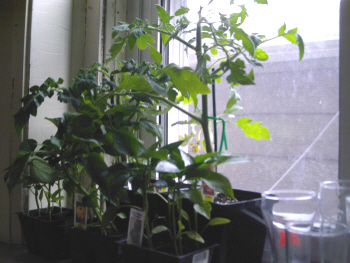 A couple months ago we found ourselves in our backyard looking at the planter boxes our landlord designed. The boxes were overrun with weeds, the stray cats strutting through the alley (they rule Bridgeport at night with their cat class and cat style) were using them as litter boxes and the soil looked, well, more toxic than fertile. The idea of the farmers market finds series was rattling around in our cabeza early on; we've long been skeptics regarding organic produce, but we like the idea of sustainability (one of the main reasons we frequent the farmers markets). That thought kept rattling in our head as we pondered the desolation of the planter boxes. Then we sprung into action.
The following morning at the Federal Plaza farmers market, we bought a load of planters from Smits Farms in Chicago Heights. They're a staple at most of the popular farmers markets throughout the week, specializing in fresh grown herbs. We picked up the following planters: basil, rosemary, cilantro, dill weed, parsley, oregano, and thyme. The total cost? $20. On a chance stop at our local produce market that same day, we picked up some more planters: green and yellow peppers, big boy and plum tomatoes. The cost for these planters were $15. Back home, we weeded the boxes, wet the soil, planted them all deep, and hoped for the best.
Want to see what they look like now?
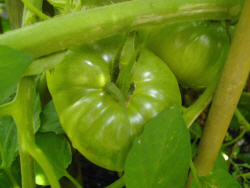 Check out those tomatoes. When we started this we had little hope for the tomatoes. It turned out that we had nothing to fear from them, outside of overrun of the vines. There were a couple weeks where the wind was so gusty that we didn't know if the stakes we planted would hold, but by mid-June we were sizing cages. Our landlord, impressed with our efforts, climbed aboard the bandwagon and added eight plants of his own, entrusting us in their care. The plum tomatoes have an impressive size to them; we can't wait for them to ripen. This weekend we plan on picking a couple of the big boys and making fried green tomatoes and green tomato salsa. The peppers are the plants with which we're finding ourselves exhibiting patience. The leaves are growing like crazy, but we at least expected to find some bulbs peeking through by now. Soon, we hope.
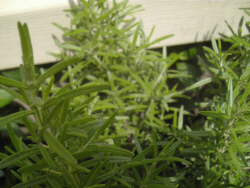 As for the herbs, take a look at this closeup of our rosemary. All of them have grown considerably and saved us some cool change in the process. The basil at times has threatened to overrun all the other plants, including our landlords tomato plants. The dill weed is continuously sprouting new blooms, and the cilantro and oregano need to be trimmed back about once every couple weeks. It's a good thing, as we've used some of the fresh clippings in our meals, while leaving the rest on the window sill to dry out for winter use.
We've also noticed a change in the soil composition since we started. It took us a full day's work to clear the planters of glass shards, rocks, and other detritus that may prevent the plants from taking root. The soil has become noticeably darker and rich in nutrients, which we assume is par for the course when the planters are being used for their true purpose. The cats were another matter entirely. One positive we've taken from their presence is that they keep the alley relatively free of rodents. Their droppings are another matter. Short of posting a 24/7 watch on the garden, we can't seem to keep them out at night. So what we've done is take their droppings and use them for a compost mixture with charwood ashes (from our grill) and grass clippings. To keep flies away we spray a mixture of cayenne pepper and water on the garden.
This whole "gardenist" experience has been a revelation to us. If you have just a portion of unused land in your front or backyards, you can also grow fresh herbs and vegetables for your table. Who knows, maybe you'll get others involved, as well. Keep an eye out on both our and Chicagoist's flickr pages. We'll be updating those frequently with more photos of what we're culling from this project.